Is External Accountability a Crutch? Why That Might Be a Good Thing
"I'm a grown woman. I know what I need to do. I shouldn't need someone to hold me accountable. I should be able to do it myself."
Sound familiar?
There's a lot of pride that comes with being someone who can set a goal, make a plan, and follow through without anyone checking up on them.
And I get it! It feels good to know you can count on yourself.
But that desire to be self-reliant can become a problem when it turns into the belief that you should be able to do everything on your own.
That you shouldn't need someone reminding you to exercise, asking whether you followed through on your meal plan, or checking in on your progress.
And if you do need someone to hold you accountable to the things you say you're going to do? Well then, clearly there's something wrong with you. 🙄
Except...there isn't.
BUT for the sake of argument, let's say that maybe you should actually be able to get yourself to do those things on your own.
That still doesn't change the fact that right now, YOU'RE NOT DOING THOSE THINGS.
And telling yourself that you shouldn't need help isn't getting you any closer to doing them.
It's just making you feel bad about struggling and less willing to ask for the support that could actually help.
Which brings me to something I hear people say about external accountability.
"I don't want to use it as a crutch."
Okay, but can we talk about crutches for a second?
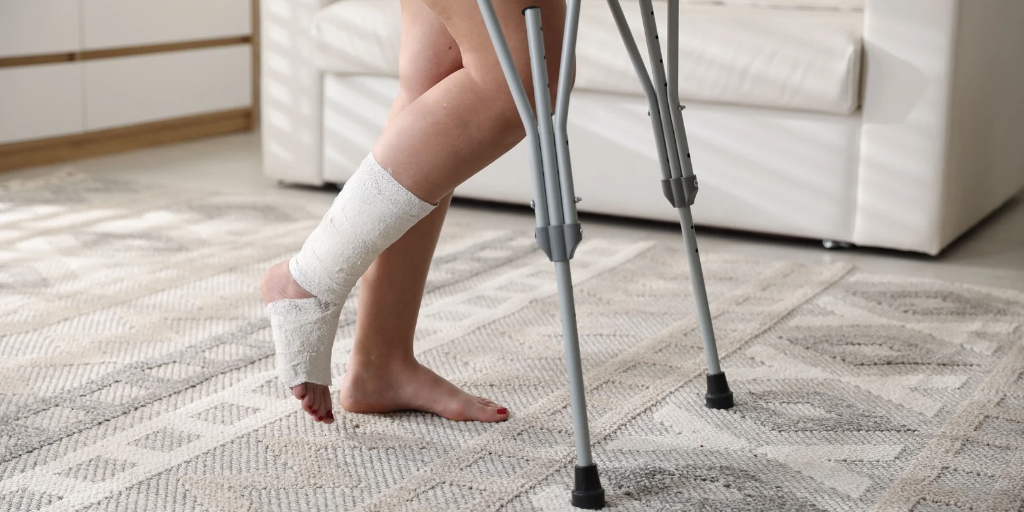
If you broke your leg, would you refuse to use crutches because you think you should be able to walk without them?
Of course not!
Crutches aren't something you use to AVOID the effort of walking.
They're a tool that makes walking POSSIBLE when doing so on your own is too difficult.
And using them doesn't mean you're going to need them forever.
They're there to help you move while you recover and build back your strength...so that you can eventually walk on your own.
Now imagine refusing to use those crutches because you believe you should be able to walk without them.
How much harder would that make it to get back on your feet?
And how is that any different from refusing external accountability because you think you shouldn't need it?
Here's why that support can be especially helpful when you're trying to change your behavior...
When you're trying to build new routines and follow through on behaviors that don't come naturally to you yet, you're developing a whole bunch of skills at the same time.
You're learning how to plan realistically, manage obstacles, make decisions when you don't feel motivated, and adjust when things don't go as expected.
And on top of all that, you're trying to hold yourself accountable for actually doing the things you said you'd do.
That's a lot!
Having someone else help hold you accountable means you don't have to figure out every part of the process on your own, all at once.
You can lean on that support while you focus on developing the other skills you need.
And as those skills get stronger, you can gradually take on more of that responsibility yourself.
Just like using crutches while your leg heals, external accountability can be a temporary tool that helps you make progress while you're developing the skills to move forward on your own.
So here's something I'd encourage you to try this week.
Tell someone else about ONE thing you're planning to do.
Maybe it's going for a walk three times this week, preparing your lunches ahead of time, or getting to bed by 10 p.m.
Tell a friend, your partner, or someone who's working toward a similar goal.
And don't just tell them what you're planning.
Ask them to check in with you about it.
It's pretty easy to make a promise to yourself and then quietly let it slide when you're the only person who knows about it.
But when someone else knows what you've committed to and you know they are going to check in with you about it, you have an extra incentive to follow through.
Sometimes, accepting a little help is exactly what makes it possible to build the skills you'll eventually use to do it on your own.
P.S. Having someone check in on your progress can be helpful. But there's a big difference between someone asking whether you did what you said you'd do and someone helping you understand why you didn't.
That's where coaching comes in.
When we work together, I'm not just holding you accountable. I'm helping you recognize what's getting in your way, work through challenges, and develop the skills and supports you need to become more consistent on your own.
And with the holiday season coming up, there's no shortage of opportunities to practice those skills!
Instead of waiting until January to start over, imagine having someone in your corner helping you navigate the very challenges that usually throw you off track.
I'm currently welcoming new 1:1 coaching clients.
Book a free call here to learn how we can work together to make 2027 a year of real, lasting change.